As we continue our faith journey we celebrated the Exaltation of the Holy Cross on Friday of this week. Jesus invites us to take up our crosses as he took up his own on Good Friday. Our faith is tested in the real world where we live, and reality comes to us often in the shape of a cross you know what your cross is as you read this and there are many crosses. In taking the cross up, in accepting its burden, we live up to our true name as Christians.
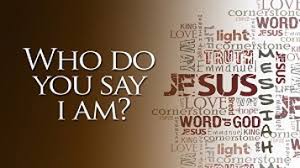
In our gospel reading this weekend we hear Jesus asking Peter and the disciples the famous question “Who do you say I am the guesses all lead us to someone else, Elijah or John the Baptist or one of the prophets, figures who were celebrated for pointing forward to the Messiah. In contrast to what others think, Peter speaks on behalf of the disciples who have shared Jesus’ life intimately: he identifies Jesus as the Christ. Jesus then tells his disciples that his way to glory is only via suffering and the cross. The first reading is one of the great poems of Isaiah on the theme of suffering. The servant of God is described in clear unambiguous terms. God gifts the disciple with a well-trained tongue.
This is not an orator’s tongue, capable of delivering prize-winning speeches, but a tongue with the ability to rouse the weary from despair, the ability to bring comfort and compassion to the suffering. We know this response to the pain of the other does not require words but is an attitude of the heart and spirit. In the Gospel Jesus speaks to us about himself using the figure of the Son of Man, the suffering servant who will be rejected and put to death. Not only must he suffer, but experience comfortless suffering in being rejected. hat rejection robs the suffering one of his dignity. He has to face the forsakenness and the loneliness of the cross. He will not die of natural causes, but be put to death. And this experience of dereliction will be answered by God who will raise him up on the third day. Although the message given to the Disciples was only vaguely and dubiously grasped, Christ had forewarned his Apostles, in order to prepare them for the scandal and folly of the cross. While it did not really prepare them because they were still too worldly-minded, it did help to strengthen their faith once the facts of the empty tomb convinced them of the resurrection. When they realized that their beloved Master was more than Messiah, that he was in fact the Son of God, who freely accepted his humiliations and shameful death for their sakes and ours.
The apostles gladly gave their lives to bringing the Good news of God’s great love for men to all the nations. From being a scandal the cross became the emblem and the proud standard of God’s love for mankind. If Jesus was to stand beside us today and ask who do you say I am? What answer would we give would we answer the same way as Peter when he said you are Christ the son of God or would we answer something else given all that is going on around us these days?
 Fullerton T