Fullerton T
RELIGION LITURGY AND LIFE
Archive for the category “Faith”
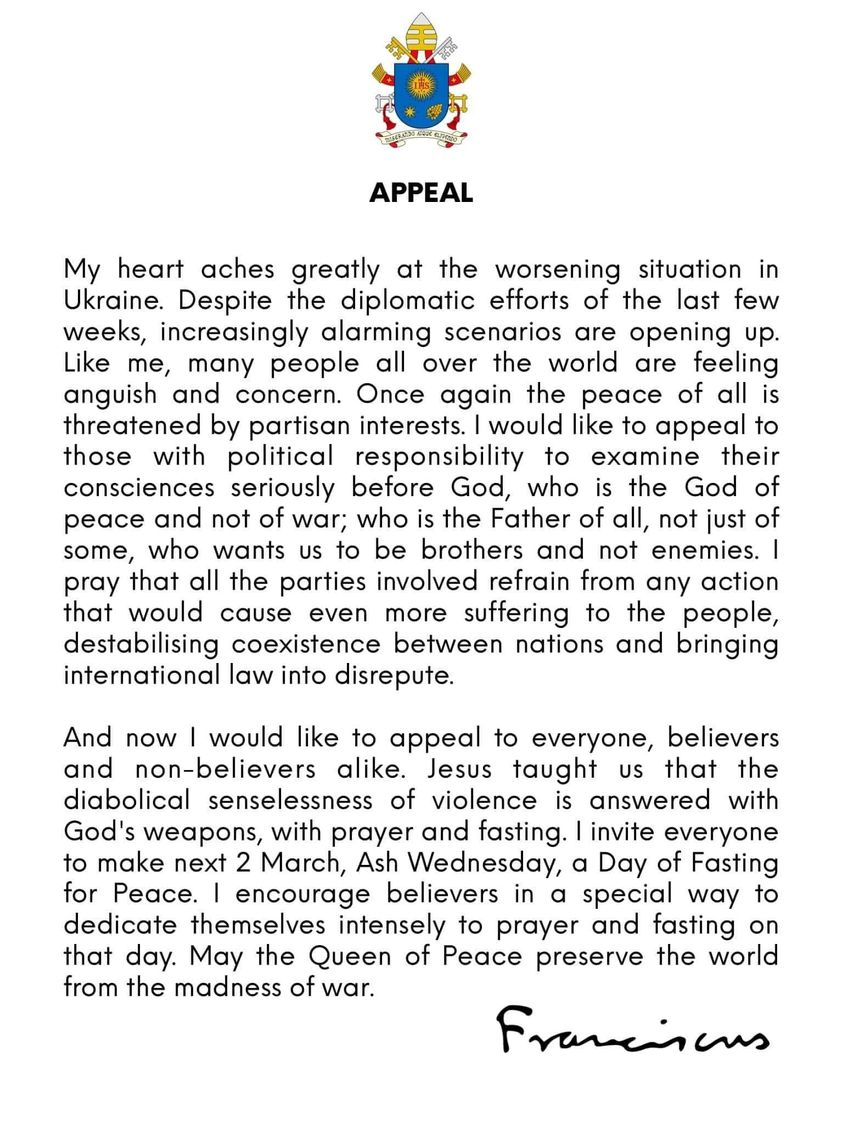
6th Sunday in Ordinary time
On this the 6th Sunday of Ordinary time we remember all those who are sick and those who care for them as we have just celebrated the World Day of Prayer for the sick on Friday11th February. We pray that they will get the strength to continue their lives. This and next week’s gospels are from the “Sermon on the Plain,” – a parallel to Matthew’s “Sermon on the Mount.” While similar, both evangelists are writing for different audiences and tailor their material accordingly. Jesus speaks to his disciples, those who are already following him. How many of the crowd who heard him were attracted to the good news he was sharing? Did they become his disciples too? Did what he said affect their lives; change their notion of God? Has the Sermon had similar affects on us? After listing the four situations in life that make people blessed, Luke then lists their opposites, declaring the “woes.” The word for “blessed” is not a description of happiness as we know it; but is a gift bestowed by God. You don’t earn the blessings; you just need them and God notices. Those who have nothing – no material wealth, or food, who are weeping and hated, because of Jesus, will receive God’s favour.
St. Luke addressed his gospel to the downtrodden, the lowly. He sees a tremendous virtue that the poor have: Because they recognize that what they have comes from God, they are generous with others believing that God will provide for them if they give the little they have to those more needy then themselves. Blessed are you poor. St. Luke also quotes Jesus as saying, “Woe to the rich.” Jesus is not concerned with the amount of money a person has. He’s concerned with the false sense of security that money often gives people and we see that in todays world. Many people are tempted to trust in their possessions instead of trust in God. We should aim to live our lives for others in accordance with the Gospel values and, in this way, we will acquire virtue and so become great in the eyes of God.
If we live our lives in this way but then find ourselves experiencing some of those things that Jesus is talking about in the Beatitudes, such as periods of poverty or hunger or bereavement or persecution, we will not see these things in a negative way. We will see them rather as gifts from God which are intended to strengthen us. We will realise that they have been given to us for our spiritual growth. Of course, we will still suffer privation and perhaps even extreme need but we will know that these outwardly negative things actually have a true and lasting spiritual value. What we should be attempting to achieve is true authenticity as human beings. What we should be striving for is to live real and genuine lives. What we should be cultivating is human warmth, generosity and goodness. We might not end up as people with fame or wealth but we will most definitely end up as people who are appreciated by others. We will most definitely end up as well-rounded human beings who are making a real and effective contribution to our families and to society at large. We will most definitely end up as people who have a real and deep spirituality and find ourselves being led into an ever-closer union with our loving Saviour.
5th Sunday in Ordinary Time

This Sunday we celebrate the 5th Sunday in Ordinary time and we remember and pray for all those who are sick as we celebrate the world day for the Sick on the 11th February. We also pray for all those who are caring for our sick in any way Doctors nurses, care workers and Family members to name just a few. We ask God through the intercession of Our Lady of Lourdes to bless our sick and all those who look after them. Our Gospel story for this Sunday recounts the story of the of Peter’s calling to be a fisher of men. After a fruitless night’s fishing, Peter obeys the word of Jesus and catches a huge number of fish. He feels unworthy before Jesus; but he is now called to be a fisher of men. Peter recognises the hand of God in what has happened and at the same time realises his own sinfulness but Jesus comes to show us the mercy of his Father.
Jesus did not come to be a hermit with an unreachable address in the desert; rather, his whole mission moves in the opposite direction, for he has come “to seek out and save the lost” (Luke 19:10). So Jesus travels into people’s lives, into our lives not away from them. He entertains sinners he enters their homes, meets their families, eats at their table, listens to their stories, and calls them as well as ourselves to a new way of life when he says follow me. Throughout his life Jesus is never far from all of us as well for we in simple terms are also sinners. Jesus doesn’t write us off because we are sinners; Jesus has other plans because he believes that we sinners have a future, not just a past. Simon Peter received his call while he was doing his work. He said, “Yes,” and responded by changing his life. Every day, in the midst of our routine, at work, home, school or play, there are opportunities to respond to Jesus’ call to follow him. In many ways our Christian vocation must guide what we say and how we act. In big decisions and small, we are asked to live what we profess as Jesus’ followers; to be attentive to what God may be asking of us at this particular moment of decision in our lives. This may entail being faithful to the commitments we already have; responding to a need we see, or taking the opportunity to witness to what we believe. Of course such responses may seem small and insignificant.
They may be small, but they are never insignificant! In addition, who knows where the next “Yes” we say to Christ may lead us? At different times in our lives, God has called us to do his work. Usually, there hasn’t been anything particularly grand about where God has called us. With Isaiah, it was at his work in the Jerusalem temple. With Paul, it happened as he was galloping towards the city of Damascus on his horse. With Peter and his companions, it was while they were trying one night to catch fish as we hear in this Sundays gospel reading. So too with all of us, God has tracked us down wherever we live or work or pray. Let us not be afraid to take up the challenge of saying yes to Jesus and the faith in God the Father we have through Jesus as we follow him.
4th Sunday in Ordinary Time
This weekend we celebrate the fourth Sunday of the year. Time is as always passing by and life goes on and We pray for all those who need our prayers and all of us know someone who needs a prayerful boost. Also we are just ending Catholic schools week and we thank God for the gift of education and all those who are or have been our teachers throughout our lives..
In the Gospel reading Jesus’ preaching begins with affirmation from the hearers. “All who were present spoke favorably of him.” Almost immediately the mood changed. The use of the reading from Isaiah was welcomed. It is good news that the people have waited a long time to see fulfilled. But, somehow conveyed in the words was the suggestion that Jesus himself has a role to play in the inauguration of the eternal Jubilee and it is this that is not acceptable. The examples that follow indicate that Jesus was hinting that the word of God was spoken universally, not to one particular person or group of people. The stories of the prophets, Elijah and Elisha, show that God’s love and mercy are to be found wherever there is a need and the faith to receive it. Jesus at Nazareth was experiencing the fate of all prophets.
But prophecy, being a spokesperson for God, is not about pleasing people. It’s about speaking the truth, sometimes the truth that no one wants to hear, the truth that often gets covered up, and yet the truth that one must hear and heed for one’s own good. The reaction from the group was swift and indignant. They rose up and wanted to throw him not only out of the synagogue but out of the town. The hearers hardened their hearts to the word as many today harden their hearts to the word.. Why did the crowd rise up against Jesus? Because he stepped outside the box they had constructed for him. He was no longer the local boy who made good; he was a self-proclaimed prophet. And his signs were not for the edification of the mob, but for the glory of God. In these ways, he rejected the expectations of those in Nazareth, and, so, they rejected him. As a last sign to them, Jesus walked safely through them and, according to Scripture, he never returned to his hometown. For all of us expectations are always really hard to fulfill as we hear from the readings of this weekend. But, faith is not based upon expectations, it is based on a proper relationship with God. We must recognize the difference between the two. And as we recognize that difference we place our expectations before God and he will help us to do what he asks of us. There is a great saying that was often quoted to me by a friend who passed on a few years ago she always pointed out that man proposes and God disposes.
That means that god will see and do whatever is good for us whether we like it or not for sometimes what we think is good is in fact the opposite !! So this weekend we pray that we will see what god proposes for us and have the will to do it.
3rd Sunday of Ordinary Time
This Sunday we celebrate the 3rd Sunday of ordinary time as we end the week of prayer for Christian unity. we also begin our annual week long celebration of our catholic schools. During Catholic schools week which this year has as its theme Catholic Schools living life to the full there will be a range of events in the parishes where we live. In the Gospel Reading for this Sunday Luke wants to make very clear to his readers what drives Jesus the Prophet from Galilee and what is the goal of his action. We as Christians need to know in what direction God’s Spirit pushes Jesus, since following him means that we are walking in the same direction as he did. We remember that the Spirit descended upon Jesus at his Baptism in the Jordan. With the Spirit poured upon him, Jesus would proclaim freedom for the captives, the blind, and those in need. When Jesus proclaimed the Good News, he proclaimed the Spirit. Since Spirit meant breath, Jesus breathed God’s word in his words and deeds. The power of his proclamation changed people, situations, and environments because he breathed out the power of God. When Jesus spoke, hearts turned to God and health of mind body and spirit were restored.
There is an immediate life-implication of this Sundays passage that is easy to overlook for us in our I want I get world. it is this: The Spirit of the Lord comes upon Jesus and comes upon the Church in order to bring good news to the people. The presence of the Spirit means joy. In the 21st century we’re OK with entertainment and pleasure, but we are often suspicious of Spiritual joy because it might be a pie in the sky illusion. How can we talk about or even allow ourselves to experience joy, when there is so much false hope, so much suffering, so much serious work to be done in the world around us especially as a result of the pandemic? The paradox of Christian faith is the cross of Jesus. The cross symbolizes the pain and sorrow that Jesus and we know so well . At the same time, the cross of Jesus is the ultimate revelation of the love and mercy of God shown to us through his son. “For the sake of the joy that lay before him he endured the cross despising its shame, and has taken his seat at the right of the throne of God” (Hebrews 12: 2). The joy that lay before him was not only that God would wipe away his every tear, but that through his self-giving love, his joy might be in us and our joy might be complete. What Jesus began that day was to be continued his Spirit-anointed community, right through to today in the church that means all of us here and now today right where we are.
In the midst of recurrent waves of uncertainty in our lives, we are called to be joyful and rejoice in the Lord as our strength. That does not mean that we ignore the challenges that weigh heavily upon us and there are many of those. Instead, our rejoicing helps us to recall the faithfulness of God throughout the ages and throughout our own lives. Tapping into that joy helps us remember “God’s got this!” whatever the “this” is, over and over again, now and forever, no matter what happens in our world he is out strength and our joy and we are empowered by that same Spirit to pass the joy of Jesus on to those we meet as we go about our daily lives .
2nd Sunday in Ordinary Time

This Weekend we hear the Gospel story of the Wedding Feast at Cana. The wedding at Cana which was the first time that Jesus worked a miracle when he changed the water into wine. We hear Mary telling Jesus that ‘they have no wine’ Jesus said ‘Woman, why turn to me? My hour has not yet come.’ His mother said to the servants, ‘Do whatever he tells you.’ This Gospel is a story with many threads – the insight into the relationship between Mary and Jesus – the miracle of the wine itself – the fact that the miraculous wine is better than the original – the fact of Jesus honouring the young couple in this way . The bride and groom whose wedding is being celebrated are in the background because at the heart of this story we see Mary and Jesus. Mary, who asks for help when she tells Jesus “they have no wine”, Mary the faith filled disciple, has trust in divine providence. In the place of the divine spouse, stands Jesus Son of the Father. The care, concern and affection of God are manifest in the Son and it is the care and affection for all of us that are reflected through Mary his mother. In her response at the wedding at Cana Mary shows herself a model disciple who trusts in God.
Mary shows that trust with the words that are meant for all of us even now as we hear them again in 2022 “Do whatever he tells you.” In the Rosary Basilica in Lourdes there is an icon over the main altar with the words To Jesus through Mary and that is another aspect of this story, Mary always points away from herself to Jesus. Mary is giving us the direction to do what Jesus asks us to do. She is not saying that we should do what she wants us to do instead she is showing us the way to Jesus the son of God. She is mother to us all and also the first disciple of her son. She knows the way to live because she learned it by listening to her son and pondering in her heart what he did and said. We should listen closely to what she says as Mary is the one who “keeps all these things in her heart,.” Do whatever he tells you is Mary’s message for us today and we need to stop and ponder what is Jesus telling us to do in 2022 in the midst of everything that is going on in our lives and in the world at large at this time. As we think about the wedding at Cana are we like Mary prepared to ponder all these things in our hearts and trust the Father who give us everything or are we prepared just to trundle along accepting the things that come along whatever they may be..
We need to learn and understand the message that is given to us through Jesus whose mother points the way to him and asks us in the to ”do whatever he tells us to do” are we prepared to do that hopefully all of us are.
The Baptism of the Lord
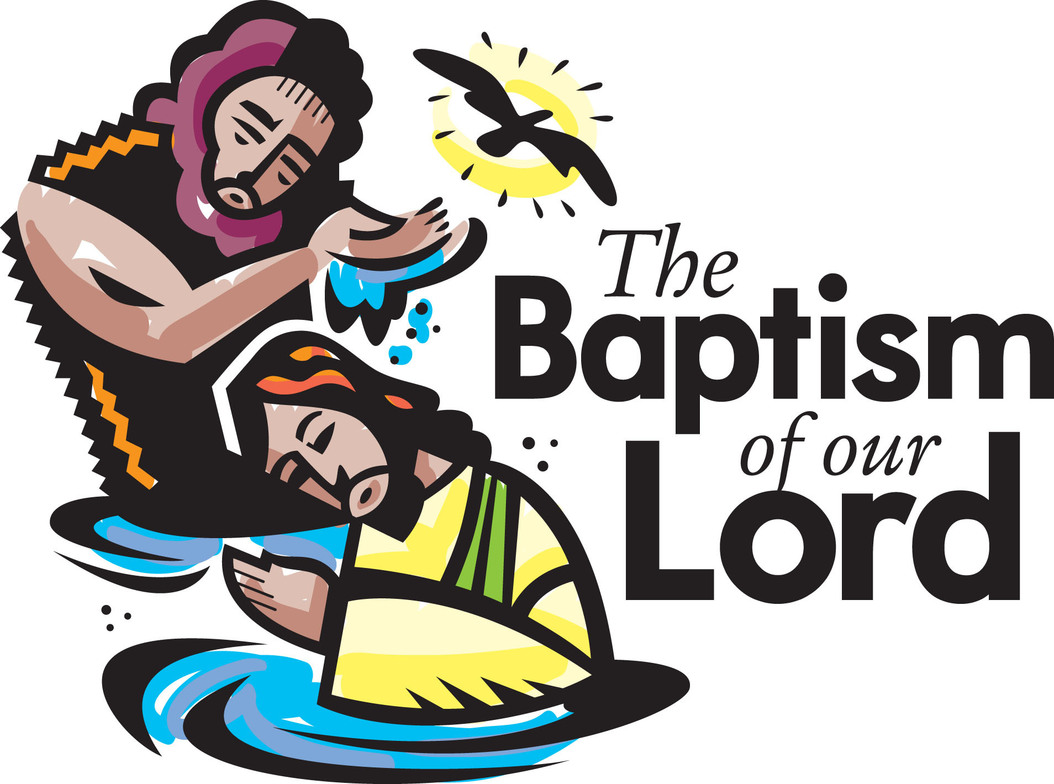
This Sunday we celebrate the Baptism of Jesus in the River Jordan by John. The beginning of the messianic work of Jesus is marked by the moment of his baptism. The sacrament of Baptism is the key that opens the door to all the other sacraments for us. Baptism has two essential results, firstly it wipes us clean from original sin making us one with God and secondly it is the beginning for us as we begin our journeys as members of the Church. Baptism gives us the opportunity to receive the other sacraments, most particularly the Eucharist which is the sacrament that we most frequently experience it is the main way that our souls are nourished by God’s grace.
We remember that the Baptist foretold Jesus coming and he is acclaimed on earth by John and Jesus links himself to John by being baptized by him. After his baptism Jesus is acclaimed from heaven by the voice of the Father and the presence of the Spirit. None of us will remember our own baptism but for those who were baptised as adults there is the added bonus of being able to tell others about their baptism as well as the journey that has brought them into the faith. Through our baptism we died with Christ and have been reborn into a whole new life (Romans 6). We, the baptized, are made a part of the body of Christ. We are called to imitate Jesus, whom Paul says, “went about doing good.” We don’t need a detailed rule book in order to know how we should act in each situation of our lives, for in baptism, we have the companionship of the Spirit who is our wisdom, our help and our guide to do good, and that Holy Spirit enables us to do what is right in every situation we may find ourselves in. The baptism of Jesus is a moment of special grace in the story of salvation.
Not only did the Son of God join us in our human condition but the Father and the Spirit were seen and heard to be present with him by the banks of the Jordan. The gospel for this Sunday uses the simple phrase that “the heavens were opened,” the voice of the Father was heard saying this is my Son and it is a powerful statement. This particular gospel story is the beginning of the journey that Jesus was to undertake and it brought him to Calvary and the cross. Through our own baptism, each of us is asked to travel a journey of faith though we won’t end up on the Cross. Our personal faith journeys have one great purpose and the purpose is to try and live our lives as people of God inspired by Jesus and enlivened by the Holy Spirit. Sons and daughters of the Father who are called through baptism to bring his love into the world so that the world may see how we live our lives and believe in what they see and that is the love of God in action.
Second Sunday after Christmas
How fitting it is that we begin the New Year 2022 with a focus on Mary, the Mother of God, and. 2021 was not exactly a year that most people I know want to remember except that now it is over and we were blessed to see it end and we thank god we have come through despite all the rules and regulations the pandemic has brought to us. We also thank god for the life and the ministry of Archbishop Desmond Tutu of South Africa who passed died at the beginning of this week whose funeral took place this morning, may he rest in peace. We are now on the countdown awaiting the arrival of the Three Wise Men on Epiphany which takes place on 6th January in Ireland.
By long standing tradition Christians celebrate Christmas as a season, with the twelve days between Christmas and the Epiphany as one long “Christmas feast.” The season ends with the Baptism of the Lord which is also the first Sunday of ordinary time.
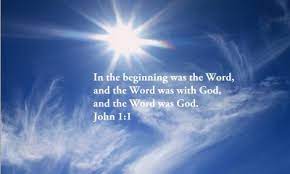
I am certain many people out there are asking themselves the time honored question for this time of the year, why did I make such a fuss!!! So many make a fuss about the secular part of Christmas and as a result they have missed the essential message of the season. The essential message is that Jesus Emmanuel was born in the stable in Bethlehem at Christmas and that he is the reason for the season. Our readings this weekend are all about Wisdom and the blessings of God and the Gospel tells us about the word who was in fact the Son of God.
Jesus Christ, therefore, the Word made flesh, was sent as “a man to men.” He “speaks the words of God” to us and completes the work of salvation which His Father gave Him to do. To see Jesus is to see His Father. To see Jesus is to see the face of the Fathers love for all of us. Through the “least,” and the poor, Christ comes to us. That’s a lesson that we need to continually remember and proclaim in our lives and our dealings with other people. We will find Christ among the “least” and this is the message that lies at the heart of our faith It is the message that Pope Francis is proclaiming in our own time and place. May we not be afraid in the year that has just begun to seek the wisdom that God wants for us, that is the wisdom and the light of faith so that we will be able to show the love of god to those around us during the year that that has just started today as well as throughout our lives especially during this time of the pandemic..
The Holy Family
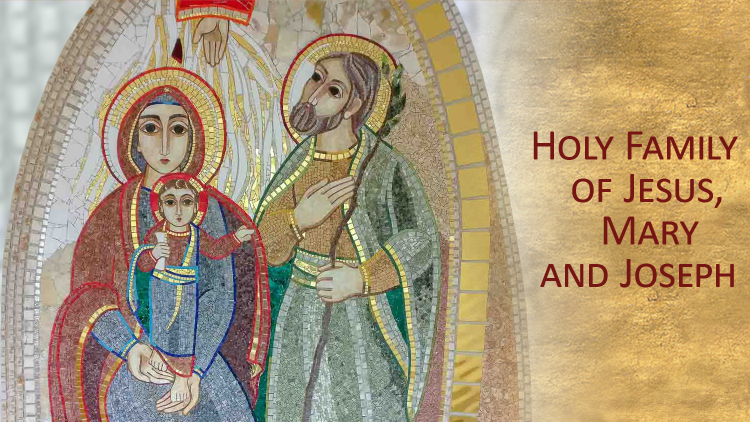
Today we celebrate the feast of the Holy Family. yesterday we celebrated the birth of a tiny Baby, greeted with awe and adoration. Today, we commemorate a family in deep stress because their Son is seen as a threat to a jealous king: Joseph and Mary are running for their lives from Herod the Great. Tradition says that after three years in exile, another angel informs Joseph that Herod the Great is dead. The Holy Family returns to their homeland, not to Bethlehem, since the new King Archelaus who reigns in his father’s place is also a cruel and barbaric ruler. Joseph brings Mary and Jesus to his native town of Nazareth in Galilee. There, they lived a simple ordinary life, Joseph as a carpenter, and Mary as a housewife and mother.
Jesus grew in holiness and in knowledge of God’s will in the same ordinary ways that families do in our day. St. Paul, in the reading from Colossians, gives families, both our own individual families, and the wider family of the Church and state a surefire formula for success. We are to act with “heartfelt compassion, kindness, humility, gentleness and patience, bearing with one another and forgiving one another.” This is a lovely piece of scripture because compassion, kindness, humility, gentleness and patience are for me signs of mercy. As we think about the Holy Family we recognize the sacrifice that Joseph and Mary made for Jesus, in the same way as we recognize the many sacrifices our own parents made for us and many more are making for their children today in our I want what I want and I get what I want world. Our families would find the disagreements, stressful relationships, and resentments that spoil the joy of family harmony so much easier to solve by trying to imitate the faith and loving trust of the Holy Family.
“Lord Jesus, you came to restore us to unity with the Father in heaven. Where there is division, bring healing and pardon. May all people and families find peace, wholeness, and unity in you, the Prince of Peace.”
Christmas 2021
As we celebrate the Christmas Festivities this year it seems to be a good time to think about where we are. Last Christmas was very different and again this year will be different for many reasons most of them pandemic related. Over the last 18 months many things have happened and so many people have lost much loved family members as a result of the pandemic as well as other health related reasons. I am reminded of the line in the rites of the church that reads that for gods faithful people life is changed not ended and that is true for us this year as we reflect on the Christmas Story and what it means to us today. As we think about the Christmas story in 2021 the question to ask ourselves is this; has all our preparation been about tinsel and glitter without anything else especially the spiritual preparation that Advent calls for. Preparing for Christmas is often a tense time as the craziness goes on around us craziness that is magnified with the pandemic and all the restrictions it has brought.
At this time when we celebrate the birth of “a saviour who has been born for us”, we welcome an opportunity to put aside our cares and worries, as we celebrate the birth of Jesus the Son of God. As we do this we cannot forget those who are less well off than we are, those who have little or nothing at all. We are mindful of all those organizations such as the Salvation Army and the St. Vincent DePaul who do so much good for so many at this time of year and throughout the whole year. We also remember in a special way all those who have been affected by COVID19 as well as their families. We thank god for all those in the caring professions that have given so much to keep all of us safe and sound they are the real heroes in all of this. None of us will travel to Bethlehem to behold the newborn infant lying in the manger in the way the original shepherds and the wise men did. Some of our Christmas customs seem to turn away from Christ. Or do they? The giving of gifts expresses love of one person for another. Festive decorations set this season apart from all others.
Santa Claus was originally St. Nicholas, who was bishop of Myra in Lycia which is now in Turkey he was remembered for his generosity. Every letter or card sent and received bears the stamp of this special season, tidings of good will, and a reminder that those who are far away are close to us in mind and heart. The customs of this season direct all of us to one message: Christ is born for us. To hear the good news, we gather together in our churches. There the message of Christmas speaks loud and clear. The Letter to the Hebrews clearly tells us, “In times past, God spoke in various ways to our ancestors through the prophets; in these last days, he has spoken to us through his Son.” The customs of Christmas speak the message in partial ways, but God speaks the message clearly through his Son, who is in our midst this Christmas time. At this time the whole community of heaven joins with all believers of good will on earth in a jubilant song of praise for the good news proclaimed by the angels:
Behold, I bring you good news of a great joy which will come to all the people, for to you is born this day in the city of David a Saviour, who is Christ the Lord (Luke 2:10-11). So with Mary and Joseph with the shepherds and Angels and the Arch Angels and the whole company of heaven Let us take the good news of great joy into our hearts and let the joy and peace flourish therein. We are the people who once walked in darkness who have seen the light that Isaiah talks about. Let us be thankful for this great light that is Christ the Son of God our saviour the light of the world. Let us keep the light burning brightly in our hearts and in our lives. There will be many trials and difficult times for all of us as we continue to journey with the COVID pandemic as there have been many trials for so many people over the last 18 months. But for all of us who believe in Christ the light nothing is impossible for in Jesus the Christ Child God became man and he gives us faith and hope . So Come let us adore Christ the Lord the face of the fathers love for all of us whoever we are wherever we are this Christmas Time.
 Fullerton T