28th Sunday in Ordinary Time
On the 7th October we celebrated the feast of the Holy Rosary Pope Francis called the rosary a “simple contemplative prayer, accessible to all, great and small, the educated and those with little education. In the Rosary while we repeat the Hail Mary we meditate on the Mysteries, on the events of Christ’s life, so as to know and love him ever better. The Rosary is an effective means for opening ourselves to God. “Each time we pray the Rosary, he said, “we are taking a step forward, towards the great destination of life” heaven. May we take the opportunities that are given to us to join together in saying the rosary of our lady during this month of October in our families as individuals and as Parish Communities where we live.
In the First reading we hear from Isiah Although he foresaw the destruction of the nation by the invading Babylonians, he could also offer words of consolation. The ruined Temple would be restored. God would be ‘enthroned’ on his holy mountain of Jerusalem, and the people would be invited to a royal banquet. But the prophet’s vision goes further than imagining a time of the restoration of the nation; all nations will be invited to this banquet. Death itself will be defeated. There will be no more mourning, no more tears. So, the divine banquet becomes a metaphor for the final realisation of God’s kingdom. In the Second Reading we are told The Philippians had made a collection for Paul, brought to him by one of their number. He says he has become accustomed to the changes in his circumstances, and he thanks them for their concern for his welfare. God will reward their generosity, just as he gave Paul the strength to face whatever lies ahead.
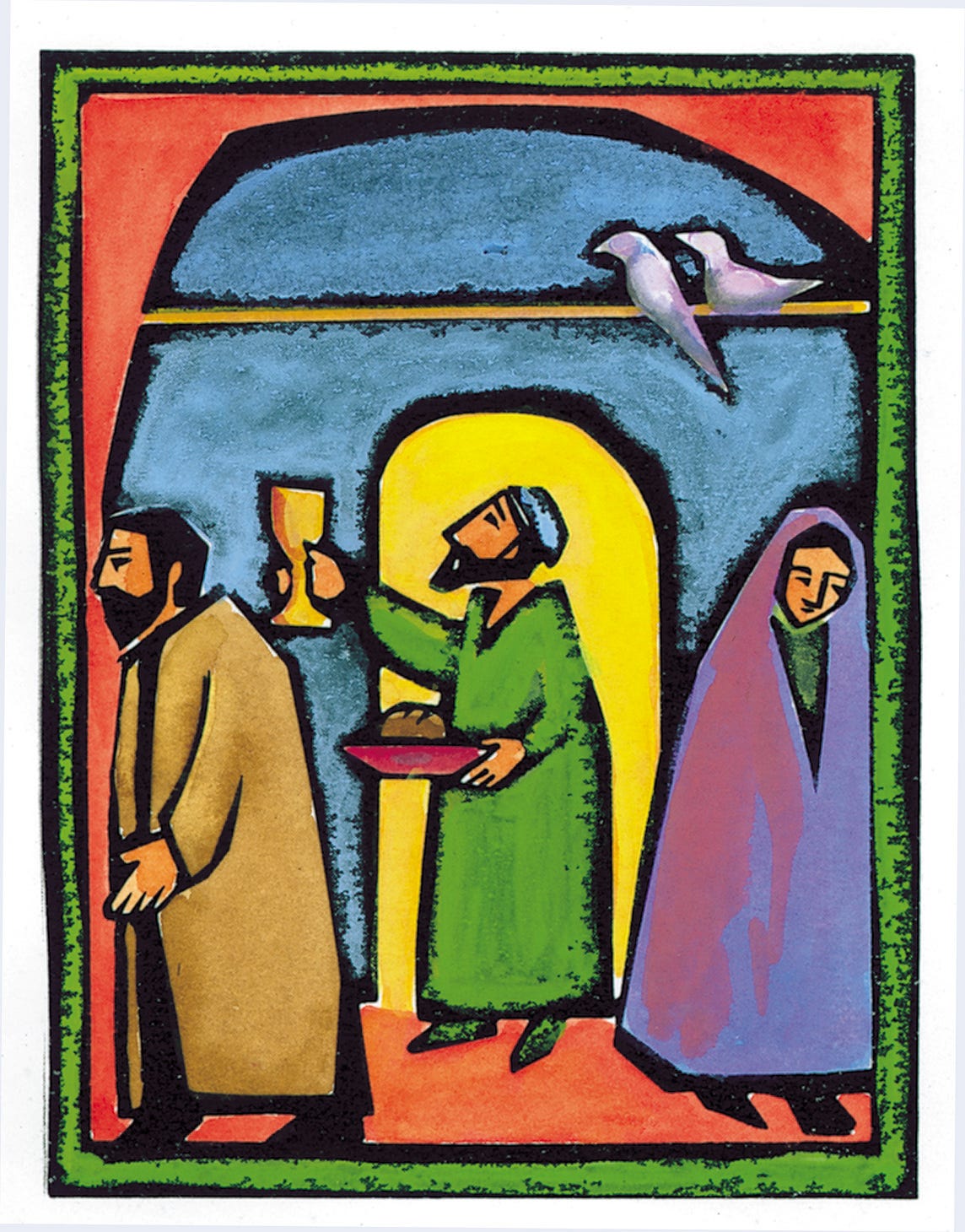
In the Gospel reading we hear about the king sending his servants out to call all those who were invited to come to his son’s wedding but none of the invited guests would come. So, the king told his servants to go out and invite everyone on the road to come to the wedding feast. Jesus tells the parable because his ways doing and saying things had been criticized by the “the chief priests and the elders of the people.” They rejected him so now he turns to everyone on the road, and he welcomes the outcasts the poor, the sinners, and the outsiders. Matthew emphasizes, not only the importance of the meal, but the urgent need we have to respond to God the fathers invitation to his feast. In the parable those who did respond to the invitation, did so with enthusiasm and joy. They knew a good thing when they heard it and grasped it immediately, filling the banquet hall just as the king had wanted for his son. Today all of us who say we are Christians are also invited to the wedding feast and this is a pointer towards our participation in the life of the Church where we are now as well as pointing to eternal life in heaven.
This weekend’s parable reminds all of us that God’s invitation is his gift to us, and it is freely given so that we can accept or ignore it. We are invited to a feast of great joy, and we need to make sure that others feel welcome to join us on our journey to the feast, especially those who don’t get invitations to a feast very often if at all. Those who gathered in from the highways and byways had no claim on the king who really is God our Father. We, too, have no claim on God, We do not merit God’s invitation on our own. It is a grace the father lovingly offers to each and every one of us. Hopefully all of us will be able to accept the invitation to come to the feast and enjoy it when we get there instead of being like the invited guests who did not come to the wedding feast who were left behind.

